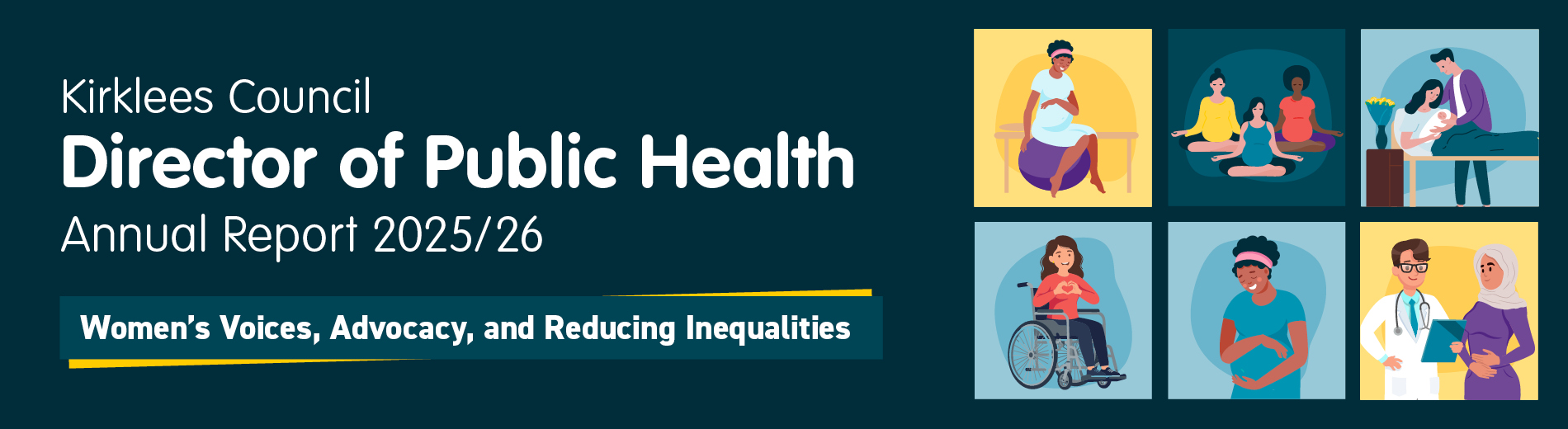
"I felt encouraged to make the choice that was right for me and was supported throughout. I felt in control of my birth and it turned out to be the best birth experience I have had."
A woman sharing her experience of maternity care in Kirklees.
When women are listened to, informed and supported to make choices about their care, outcomes and experiences improve. This report explores how women's voices and advocacy can help reduce inequalities and create safer, more personalised care.
Welcome to my Director of Public Health Annual Report 2025 to 2026: Women's voices, advocacy, and reducing inequalities in maternity care.
Each year, my annual report provides an opportunity to focus on an issue that matters deeply for the health and wellbeing of our population. This year, I have chosen to explore the importance of women's voices and advocacy in improving health outcomes and reducing inequalities, using maternity care as a powerful example of how listening to women can shape safer, fairer and more personalised services.
Maternity care plays a crucial role in shaping health outcomes across the life course. However, evidence from national reviews, alongside what women and families in Kirklees have told us, reminds us that too many women do not feel heard, believed or supported when accessing maternity care. For some, this can mean feeling isolated, unsure and disempowered at what is a significant and life-changing time. Failure to listen to and act on women's concerns can contribute to avoidable harm, including birth trauma, physical injury, psychological distress, worsening mental health, delayed recognition of complications, and in some cases, poorer outcomes for babies. The impact can extend well beyond pregnancy and birth, shaping confidence, future healthcare experiences, family relationships and health outcomes across the life course.
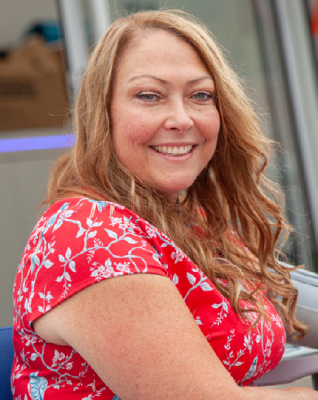
Rachel Spencer-Henshall, Kirklees Director of Public Health
These experiences are not shared equally. Women facing disadvantage due to ethnicity, deprivation, language barriers, disability or trauma are more likely to experience poorer care and worse outcomes. This is not fair and addressing it must remain a priority for us all.
Through this report, I want to strengthen our shared understanding of women's experiences of maternity care in Kirklees and the role that advocacy can play in ensuring women are truly heard.
While this report focuses on maternity care, the themes explored are relevant to women's health much more broadly. Nationally and locally, women continue to describe experiences of feeling unheard, dismissed or excluded from decisions about their health and care, and too often report that their concerns are not taken seriously. Whether accessing maternity services, reproductive healthcare, mental health support or care for long-term conditions, women consistently tell us that being listened to, respected and involved in decisions matters. Maternity care provides a particularly powerful example of why women's voices are so important and how advocacy can help ensure women are heard, supported and empowered. The lessons from maternity care therefore extend beyond pregnancy and birth, offering valuable insight into how we can improve women's health, reduce inequalities and create services that are more responsive to women's needs throughout their lives.
This report brings together local insight, lived experience and evidence to highlight both the challenges we must address and the opportunities we have, as a system, to do things differently.
As always, while this report is written by me and my team, it is intended to be used by colleagues and organisations across Kirklees. I encourage you to reflect on the findings and 'next steps', consider what this means for your role, and work with partners to take meaningful action to improve outcomes and experiences for all women and families.
- Women's voices, advocacy, and reducing inequalities in maternity care: Executive Summary
- Women's voices, advocacy, and reducing inequalities in maternity care: Executive Summary - Plain English