
Getting the basics right
We will continue to ensure that essential services are available and effectively provided to all. This is also about being a well-run organisation and enabling continuous improvement. Over the next three years we want residents and customers to see and feel a difference from the organisational improvements we're making.
Goals
Year 1 (2026/27)
- Implement changes in key ('deep dive') areas - including Highways, Waste, Council Tax, Planning, and Homes and Neighbourhoods - to ensure processes to support customer demand are inclusive, efficient and are designed around the customer's needs.
- Launch and embed new tools and guidance to support teams across the council looking to improve the customer experience of their services in a measurable way.
- Continue to work with all political groups to determine areas of improvement.
- Refresh our Customer and Access Strategy.
Year 2 (2027/28)
- Identify additional 'deep dive' areas across the council where we can make process changes to enhance the customer experience.
- Evaluate the impact of customer focus guidance and tools and develop further as required.
Year 3 (2028/29)
- Delivering on the Customer and Access Programme outputs by ensuring transparency and clear expectations - customers understand what services are available and when, so they know exactly what to expect.
Year 1 (2026/27)
- Improve missed bin collection performance by strengthening fleet resilience and introducing backup capacity.
- Further embed area-based working model for waste crews to improve accountability and local responsiveness.
Year 2 (2027/28)
- Complete procurement of specialist vehicles and narrow-track fleet for hard-to-access areas.
Year 3 (2028/29)
- Achieve and maintain target levels for missed collections, while embedding changes linked to Simpler Recycling reforms.
Year 1 (2026/27)
- Review street cleansing, including routes / rounds, and focus resources on high-demand areas.
- Implement initial operational adjustments as result of Keep Britain Tidy fly tipping and litter strategy and roadmap.
- Build a business case for further development of our litter enforcement model.
- Establish additional resources in the Greenspace Action Team to increase levels of service provision, especially around fly tipping.
- Deploy initial proven public awareness interventions around fly tipping.
Year 2 (2027/28)
- Implement operational adjustments from Keep Britain Tidy strategy.
- Develop fly tipping strategy, including additional public awareness interventions.
Year 3 (2028/29)
- Evaluate impact of new Greenspace Action Team resources and enforcement.
- Adjust street cleansing and enforcement based on outcomes.
- Deal more effectively with fly tipping.
Year 1 (2026/27)
- Improve road conditions and transport links through targeted investment by delivering second year of Highways Capital Plan 2025-27. This will include optimising delivery and accelerating investment where appropriate on the City Regional Sustainable Transport Settlement (CRSTS) and the two-year forward programme.
- Develop next Highways Capital Plan for 2027 onwards.
Year 2 (2027/28)
- Advance the delivery of the Highways Capital Plan, aligning priorities with the increased national funding for local road maintenance - up to £2bn by 2029-30 - and integrating insights from earlier implementation stages to enhance efficiency and impact. This phase will place greater emphasis on consolidating previous improvements, responding to evolving infrastructure needs, and setting the foundations for sustained investment in Kirklees' road network.
Year 3 (2028/29)
- Continue to implement the Highways Capital Plan, making best use of national funding commitments to maximise improvements in road condition and network resilience, while preparing for future investment cycles.
Year 1 (2026/27)
- Increase the roof space available for solar panels on Council Buildings.
- Develop plans for investing in fossil fuel alternatives.
- Launch procurement for replacement waste recycling and disposal contract to support Simpler Recycling and the waste transformation programme.
- Launch food waste collections for Schools and Trade Customers.
Year 2 (2027/28)
- Reduce the council's electricity and gas use.
Year 3 (2028/29)
- Develop more heat decarbonisation plans.
- Increase the number of Electric Vehicles in the fleet.
- Decrease use of gas as a heat source.
- Implement Simpler Recycling and mobilise new recycling and waste disposal contract in time for the government deadline.
Year 1 (2026/27)
- Begin embedding the new Digital Strategy and implementation plan, ensuring clear priorities and governance.
- Continue to implement the digital accessibility programme, delivering improvements to the accessibility of the council's website and other online channels.
- Deliver accessible documents training to ensure all documents that are produced can be read by everybody in the community and the council.
- Continue to raise awareness of accessibility best practice and guidance externally and to other partners including the voluntary sector.
- Upgrade the telephone system and ensure new digital options are available in Kirklees Direct (the Council's customer contact centre) to improve signposting to support for customers and to resolve technical issues.
Year 2 (2027/28)
- Deliver rollout of priorities identified in the Digital Strategy and implementation plan, making it easier for residents to complete tasks online, while retaining alternative options.
- Enhance governance around digital accessibility through the Kirklees Digital Accessibility Group, including expanding our approach and boosting engagement with wider partners.
Year 3 (2028/29)
- Introduce a continuous improvement cycle to strengthen our position as a more modern, digitally focused organisation, using analytics and resident feedback to refine services and remove remaining barriers.
- Strengthen our approach to digital accessibility and inclusion by deepening governance, embedding good practice more widely, and working with partners to keep accessibility at the heart of service design and delivery. Our focus will be on maintaining momentum and moving towards a more inclusive digital environment for everyone.
Year 1 (2026/27)
- Continue to implement the Action Plan for our Inclusion and Diversity Strategy 2024-27.
- Identify priority actions for improving Integrated Impact Assessment (IIA) quality and compliance.
- Continue to implement Phase Four of the People Strategy, including the outcome to be 'an inclusive employer of choice'.
- Incorporate inclusion objectives into the next phase of development of the employee appraisal 'My Conversation'.
- Finalise and implement an annual action plan for the Social Care Workforce Race Equality Standard.
Year 2 (2027/28)
- Make sure Integrated Impact Assessments (IIAs) are used in all key decisions.
- Continue to train staff to do IIAs well, supporting them to use the results to guide decisions and actions, and helping them to track outcomes to keep improving.
- Finalise the next Inclusion and Diversity Strategy (from 2028 onwards), engaging widely with staff, partners, and communities, and drawing on learning from previous years and emerging best practice.
- Develop more sophisticated ways to collect, analyse, and use data on workforce diversity and inclusion, supporting evidence-based decision-making.
- Review inclusion projects associated with the People Strategy.
- Finalise and implement annual action plan for Social Care Workforce Race Equality Standard.
Year 3 (2028/29)
- Demonstrate clear improvements in Integrated Impact Assessment (IIA) quality and impact, showing how earlier work has influenced key Cabinet and service decisions and improved outcomes for residents.
- Ensure the new Inclusion and Diversity Strategy (from 2028) is shaping organisational priorities, with progress tracked through strengthened reporting to senior leadership and workforce groups.
- Use enhanced workforce and inclusion data to target specific disparities in recruitment, progression, and retention - especially in under-represented groups.
- Finalise and implement annual action plan for Social Care Workforce Race Equality Standard.
Year 1 (2026/27)
- Continue to deliver the 'Our Council' programme to fully embed the culture reset across the whole organisation.
- Continue with implementation of phase four of the People Strategy, including:
- Embed and extend workforce planning activity and associated strategies.
- Further develop our approach to strengthening leadership and management.
- Continue work to improve sickness management and reduce sickness absence across the council.
- Deliver an action plan based on the results of our most recent 'Our Conversation' employee survey, including continuing to deliver targeted conversations with groups of staff to fully explore the feedback from our 'employee voice groups'.
Year 2 (2027/28)
- Review the 'Our Council' programme of work and plan for next steps to continue delivery of the programme.
- Prepare for and deliver the next employee survey 'Our Conversation'.
- Review projects associated with the People Strategy to ensure continued alignment with the Council Plan and its associated priorities.
- Understand the impact of the Digital Strategy on the workforce and different roles across the council, including developments with Artificial Intelligence technology.
Year 3 (2028/29)
- Deliver an action plan based on the previous year's 'Our Conversation' employee survey, including delivery of targeted conversations with groups of staff to fully explore the feedback ('employee voice groups').
- Embed and integrate digital and technical developments across the workforce, linked to the work around the Digital Strategy.
Year 1 (2026/27)
- Continue to rebuild unallocated reserves as part of the budget delivery and development process.
- Review and strengthen cross-party and public budget engagement to continue improvements in transparency and involvement, including production of a 'budget book' for the 2026-27 financial year.
- Continue to develop and implement a corporate approach to benchmarking services to help identify further transformation opportunities, support improvements to the customer experience, and deliver better value for money.
- Introduce an opportunities register, which will create a route for identifying and prioritising impactful projects and matching them to potential funding, including external grants.
Year 2 (2027/28)
- Continue to rebuild unallocated reserves as part of the budget delivery and development process.
- Continue to review our Capital Plan so that it remains affordable.
- Identify further external funding for projects on the opportunities register, meaning more investment being brought into communities across Kirklees.
Year 3 (2028/29)
- Achieve a healthy balance of unallocated reserves, reaching £29m by 2028-29.
- Achieve sustainable position with our revenue budgets.
- Continue to review our Capital Plan so that it remains affordable.
- Ensure our processes enable residents and communities to feel the benefits of securing external funding for priority opportunities on our opportunities register.
Protecting the vulnerable
We will support and protect those in our community who are most in need, including the elderly, children, and those with disabilities. This also includes tackling the barriers and disadvantage faced by many in our communities as well as a focus on early intervention and prevention, which can be more efficient for the council but also means better outcomes for communities.
Goals
Year 1 (2026/27)
- Implement Families First programme locally, helping to support children to be cared for in their birth family wherever possible.
Year 2 (2027/28)
- Introduce dedicated standing multi-agency teams in which skilled practitioners support decision-making for children when concerns escalate.
- Introduce new multi-agency teams to deliver integrated, wrap-around family support, providing early, coordinated help that prevents escalation and improves outcomes.
Year 3 (2028/29)
- Review services to children to ensure that they and their families are effectively supported through the changes associated with the Families First programme and have improved outcomes.
Year 1 (2026/27)
- Clear backlogs by reducing waiting lists for assessments and overdue reviews, while empowering individuals through strength-based approaches to shape their own support plans.
- Embed anti-racist practice, aligning with the Social Care Workforce Race Equality Standard. Begin preparations for the new Liberty Protection Safeguards, ensuring compliance with national standards.
- Start giving people more choice and control over their care through Home First and Direct Payments.
- Strengthen local delivery through Integrated Neighbourhood Health (INH) and Integrated Neighbourhood Teams (INTs), bringing care closer to communities and improving coordination.
Year 2 (2027/28)
- Work with partners to refresh the Health and Wellbeing Strategy, creating a shared vision for people of all ages.
- Fully embed Home First and Direct Payments, giving individuals independence and dignity.
- Better integrate safeguarding with health systems through the Integrated Care Board Blueprint, leading to a deeper commitment to prevention and early intervention.
- Expand role of INH and INTs, ensuring that care is proactive and community-based, reducing hospital admissions and supporting independence.
Year 3 (2028/29)
- Embed safeguarding as a cornerstone of dignity, choice, and thriving lives. Our systems will be led effectively, inclusive in design, and resilient in practice - ensuring that every adult who needs support receives it promptly, fairly, and with respect.
- Integrate INH and INT into local planning, delivering health, safety, and community wellbeing as a unified approach.
Year 1 (2026/27)
- Prepare and implement local arrangements for the new Crisis and Resilience Fund (CRF) in line with national guidance, establishing approach to governance and delivery.
- Continue to develop and deliver activities through the Tackling Poverty Partnership - which includes representation from key local voluntary sector organisations.
Year 2 (2027/28)
- Continue delivery of the CRF locally and refine processes based on early learning. Ensure integration with wider local support services.
Year 3 (2028/29)
- Embed the CRF as part of the council's ongoing approach to crisis support and resilience. Review outcomes and contribute to national learning.
Year 1 (2026/27)
- Continue to deliver Kirklees Preventing Homelessness and Rough Sleeping Strategy 2024-29.
- Ensure we are compliant with immediate requirements from the government's national plan to end homelessness and tackling child poverty plan and create detailed action plans relating to both.
- Finalise and launch the refreshed Housing Strategy for Kirklees.
- Improve the way people get help earlier by strengthening our first points of contact and making sure people at risk of homelessness are identified and supported sooner.
- Strengthen joint working across services, partners, and relevant Boards so that partners are better able to spot risks, share concerns, and connect people quickly to the right housing support.
- Improve temporary accommodation pathways and options so people experience clearer routes in, more suitable temporary accommodation, and quicker routes out.
- Continue to work with residents regarding their needs for home adaptations, improving their customer journey and maintaining positive outcomes.
Year 2 (2027/28)
- Continue to deliver Kirklees Preventing Homelessness and Rough Sleeping Strategy 2024-29.
- Continue to implement and embed actions from the government's national plan to end homelessness and tackling child poverty plan.
- Broaden access to longer term housing options, including through stronger relationships with local landlords and housing providers.
- Develop more consistent tenancy sustainment support, helping people keep their homes through earlier and more coordinated help when difficulties arise.
- Strengthen local responses to rough sleeping, with a clearer focus on preventing repeat homelessness and reducing the need for emergency placements.
- Continue to monitor government allocations for home adaptations (Disabled Facilities Grants) and ensure we are making best use of resources.
Year 3 (2028/29)
- Develop new Preventing Homelessness and Rough Sleeping Strategy for 2029 onwards.
- Continue to embed actions from the government's national plan to end homelessness and tackling child poverty plan, ensuring audits are used to gain assurances.
- Increase the number of suitable long term homes available to people in need, using all appropriate tools to acquire, build or support others to develop more homes and to bring more properties into use.
- Embed a more coordinated prevention system so that risks are identified earlier and people receive support before crisis point.
- Ensure temporary accommodation is consistently safe, appropriate, and used for the shortest possible time, with continued improvements to quality and standards.
- Continue to monitor government allocations for home adaptations (Disabled Facilities Grants) as in Year 2.
Enabling everyone to thrive and have successful lives
We will help to build a borough with opportunities for all, fostering an environment where everyone has the chance to succeed. This includes working alongside partners and communities to ensure all residents have the foundations of a good life, for example in housing, education, health, and the environment.
Goals
Year 1 (2026/27)
- Launch regular listening events in key neighbourhoods, creating spaces for dialogue, collaboration and strengthening trusted relationships with faith and belief groups.
- Refresh the Community Safety Partnership Plan, setting out bold new priorities for tackling harm and promoting cohesion.
- Deliver targeted campaigns on hate crime and domestic abuse that raise awareness and empower communities to act, with the 'Safe People, Safe Places' programme beginning to lay the foundations for a proactive, partnership-driven approach to prevention and resilience.
Year 2 (2027/28)
- Co-develop impactful campaigns with communities to tackle violence against women and girls, domestic abuse and hate crime, ensuring these efforts reflect local voices and priorities.
- Implement the 'Safe People, Safe Places' programme, moving from concept to practice, with it becoming a cornerstone of prevention and resilience.
- Expand community participatory grant-making to create new opportunities for grassroots organisations, enabling them to deliver projects that reduce isolation, strengthen belonging, and build trust across our communities.
- Begin annual reporting on the Inclusive Communities Framework (ICF), providing transparency and accountability.
Year 3 (2028/29)
- Launch and maintain an innovative digital platform, enabling residents and partners to report concerns and share updates quickly and securely. This will make engagement easier, more transparent, and sustainable, while strengthening trust and responsiveness.
- Streamline community safety reporting, using clear data insights to inform action. Provide annual ICF reports with trend analysis and practical learning, embedding cohesion as a shared responsibility across sectors.
Year 1 (2026/27)
- Implement new healthy Child Programme contract (from 1 April 2026) including mobilisation of key contract changes:
- 3-4 month checks.
- Universal School Nursing.
- 2½ year check.
- System-wide integration.
Year 2 (2027/28)
- Fully implement contract requirements and continued monitoring of new service, specifically:
- mandated contracts.
- key service changes.
- first full year of performance monitoring and reporting.
- Refresh the Health and Wellbeing Strategy working with partners, setting out our shared ambitions for health and wellbeing of people of all ages in Kirklees.
Year 3 (2028/29)
- Continue to monitor new service, specifically:
- mandated contacts.
- key service changes.
- Year 2 performance and monitoring report.
Year 1 (2026/27)
- Plan and implement reforms anticipated to be set out in the government's Schools White Paper, particularly around support for children and young people with Special Educational Needs and/or Disabilities (SEND).
- Deliver new statutory duties from the forthcoming Children's Wellbeing and Schools Act by expanding virtual school head responsibilities to all children in need (including kinship care), establishing and enforcing a register for children not in school, and ensuring robust responses to elective home education requests - especially for children on protection plans.
- Agree and implement a Future Plan for Schools in line with upcoming legislative changes.
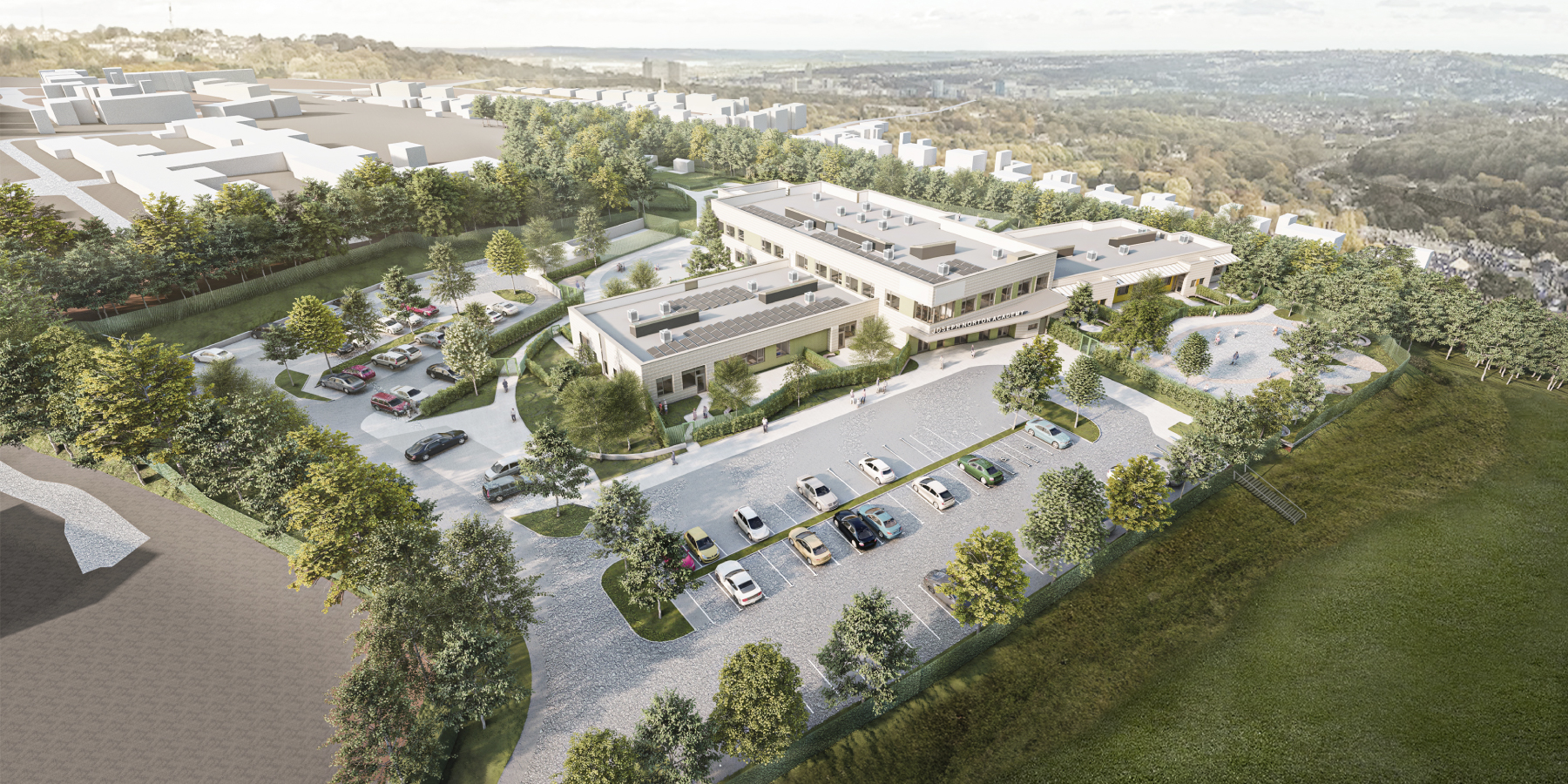
- Complete construction of new Joseph Norton Academy buildings, ensuring more places for children with SEND.
Year 2 (2027/28)
- Embed reforms anticipated to be set out in the government's Schools White Paper, particularly around support for children/young people with SEND.
- Complete construction of new Woodley School and College ensuring more places for children with SEND.
Year 3 (2028/29)
- Understand and plan for the implications of the new 2028 Curriculum across all key stages, ensuring schools are supported to adapt provision and unlock the potential of every child and young person.
Year 1 (2026/27)
- Continue to develop the new Best Start Family Hub programme locally, allowing families to visit a 'one-stop shop' where they can access a range of services.
- Strengthen access to early years education, childcare, and wraparound care by mapping current provision, identifying gaps, and working with partners to increase availability for families.
- Embed youth voice and co-production into Special Educational Needs and Disabilities (SEND) planning and preparation for adulthood, ensuring that young people and parents actively shape services and share insights on 'what works' for SEND.
Year 2 (2027/28)
- Embed the new Best Start Family Hub programme as a core part of the council's early help and prevention approach.
- Expand inclusive early years and childcare provision through targeted investment and partnership support, ensuring more children enter Reception with a Good Level of Development.
- Enhance the scale of youth voice and co-production in SEND by integrating feedback into service improvement to inform transition planning and best practice.
Year 3 (2028/29)
- Further develop and integrate an inclusive education offer that identifies and meets the needs of children and young people as early as possible, ensuring equitable access and positive outcomes, working with partners.
- Embed sustainable models for early years education and wraparound care across the local area, using data and best practice to continuously improve outcomes for children.
Year 1 (2026/27)
- Commission options appraisal and feasibility study for the delivery of a new leisure centre in Dewsbury (including exploring opportunities to be able to secure additional resources through external funding).
- Submit full award bid to Sport England for the Place Partnership programme.
- Develop a new Everybody Active strategy for Kirklees.
- Continue to support the delivery of Community Champions to promote health and wellbeing and access to relevant services in communities.
- Develop and deliver physical activity sessions in community settings in Dewsbury and Batley to support people to become more active, working with Kirklees Active Leisure.
- Pilot a places based public health approach, taking a more focused approach to working with partners to improve health and wellbeing outcomes and reduce inequalities in Dewsbury.
Year 2 (2027/28)
- Design and procure the development of a new leisure centre in Dewsbury.
- Fully activate Sport England Place Partnership programme.
- Implementation of new Everybody Active Strategy for Kirklees.
- Develop the new Health and Wellbeing Strategy.
- Continue to deliver and evaluate the impact of the place based public health approach to working with partners to improve health and wellbeing outcomes and reduce inequalities in Dewsbury.
Year 3 (2028/29)
- Begin works on a new leisure centre in Dewsbury, subject to preceding project stages progressing as planned.
- Identify the next local places to extend the trial for a place based public health approach to improving health and wellbeing outcomes and reducing health inequalities (if evaluation evidences significant advantages).
Year 1 (2026/27)
- Continue to support White Rose Forest and Landscapes for Water projects in flood-prone areas, including continuing the £76,000 investment in the Dewsbury Country Park scheme.
- Progress towards 21% canopy cover target for 2050.
- Continue to support community led tree planting projects.
- Deliver £128,000 of flood risk management levy funding from the Environment Agency.
Year 2 (2027/28)
- Increase woodland connectivity; monitor biodiversity gains.
- Increase the number of publicly accessible charge points.
Year 3 (2028/29)
- Manage woodlands sustainably; expand nature recovery zones.
Economic growth
Building on the tangible progress being made across Kirklees, we will create further economic growth by working alongside our partners to support jobs and investment opportunities. Our aim is for this to translate to better livelihoods and prosperity for people across Kirklees.
Goals
Year 1 (2026/27)
- Complete Phase 1 of Our Cultural Heart with a new food hall, public square, and library hub.
- Present Investment Zone Gas Works site development opportunity to the market and submit planning.
- Complete Dewsbury Arcade refurbishment.
- Begin construction on Dewsbury Market refurbishment.
- Secure approval and funding for the Dewsbury Regeneration Plan from the government, unlocking £20m of Pride in Place funding over 10 years.
- Use the first round of expected grant funding to drive delivery of the Dewsbury Regeneration Plan, working with the Neighbourhood Board to finalise the public-facing version and shape interventions in line with available resources.
- Deliver a conservation project at Oakwell Hall to carry out essential repairs and safeguard its structural integrity, ensuring it continues to serve as a cultural, educational, and community asset.
- Complete the full renovation of Dewsbury Bus Station increasing accessibility, providing cycle parking, and improving energy savings.
- Start work to implement the Masterplan for Batley, including £12m of improvements to Commercial Street.
- Complete Holmfirth works, creating a more accessible town centre for residents, businesses, and visitors.
- Secure planning approval for New Mills and start on-site work as part of delivering the Marsden Masterplan.
- Complete Heckmondwike Bus Hub, a new state of the art bus station with new waiting and welfare facilities, increasing bus stands from four to six.
Year 2 (2027/28)
- Reopen Huddersfield Market following refurbishment.
- Open Dewsbury Market refurbishment, creating improved traditional market offer, as well as more areas for eating, drinking, socialising and events, alongside new Dewsbury Town Park.
- Deliver plans and projects through Dewsbury Regeneration Plan funding, working with Dewsbury Neighbourhood Board.
- Complete Masterplan works in Batley, including £12m of improvements to Commercial Street.
Year 3 (2028/29)
- Finalise renovations of George Hotel ahead of reopening.
- Final stages of our new Huddersfield Town Park and Museum as part of Our Cultural Heart.
- Deliver plans and projects through Dewsbury Regeneration Plan funding, working with Dewsbury Neighbourhood Board.
Year 1 (2026/27)
- Make further progress on planning and development of key sites at Dewsbury Riverside and Bradley Park. This includes up to 4,000 new homes at Dewsbury Riverside and 2,000 (20% affordable) at Bradley Park.
- Make further progress on planning and development of town centre living schemes.
- Unlock housing sites and secure funding, including opportunities through the national £39bn Social and Affordable Homes Programme, by working collaboratively with partners.
- Support the delivery of a range of housing, working with partners and in places (subject to planning) including:
- 319 homes at Soothill Estate (Batley), including 116 affordable homes
- around 150 homes at Fenay Lane (Almondbury), with around half of these being affordable
- 80 affordable rent homes for older people at Kenmore Drive (Cleckheaton)
- 40 homes at Highmore Lane (Cleckheaton)
- 40 homes at Main Avenue (Cowlersley).
- Refresh the Local Plan in line with the revised National Planning Policy Framework, preparing for submission to government in 2028 to prioritise housing need.
- Increase access to long term homes, including continuing to buy back Council housing lost through Right to Buy and identify and engage with owners of empty properties.
- Implement the immediate requirements of the Renters' Rights Act, including greater powers to investigate landlords and enforce compliance. This includes staff training and planning other resource requirements.
Year 2 (2027/28)
- Progress towards delivery on our key sites at Dewsbury Riverside and Bradley Park.
- Increase housing supply within our town centres whilst supporting local retail and leisure economies.
- Continue to collaborate with partners to unlock housing sites and secure funding.
- Continue to support the delivery of a range of housing to meet housing needs in Kirklees, including market housing and affordable housing, general needs housing and specialist accommodation.
- Finalise the refresh of the Local Plan.
Year 3 (2028/29)
- Begin preparatory stages for Local Plan housing allocations.
- Support and advise on compliance with local and national policy guidance for housing developments, exceeding targets where possible.
Year 1 (2026/27)
- Deliver an Employment & Skills Plan that will establish a clear framework of partnership-based actions, guided by a collaborative approach.
- Strengthen collaboration with local employers to build workforce skills and champion inclusive recruitment by expanding apprenticeships, delivering targeted Skills Bootcamps, and scaling the Employment Kirklees programme.
- Implement tailored employment programmes that enable economically inactive residents to secure and sustain good work, delivered in partnership with the Department for Work and Pensions and the West Yorkshire Combined Authority.
- Attract and develop top talent through initiatives such as Project Search and nontraditional apprenticeship opportunities, including roles in areas like Legal.
Year 2 (2027/28)
- Implement Employment and Skills Plan. Work collaboratively with partners to expand Level 3 skills provision across the district, while ensuring a robust and tailored learning curriculum that meets the diverse needs of learners and aligns with local employer demand.
- Continue to deliver the milestones and priorities to be an inclusive employer as identified in our people strategy for workforce strategy and workforce planning activities.
Year 3 (2028/29)
- Embed the Employment and Skills Plan as a core part of economic growth activity, deepening collaboration with employers and education partners to respond to emerging skills needs. Focus on sustaining inclusive employment practices and scaling programmes that support residents into good work.
Year 1 (2026/27)
- Complete major transport and active travel improvements, including:
- Lockwood Bar works as part of the Huddersfield Southern Corridors scheme.
- A638 Dewsbury-Cleckheaton Sustainable Travel Corridor upgrades to improve walking, cycling, and public transport links.
- A629 Halifax-Huddersfield improvements, including a new slip road at Ainley Top and junction changes at Cavalry Arms.
- Dewsbury Walking and Cycling links on the ring road and in the town centre.
- Huddersfield Rail Station Connections to enhance walking and cycling routes.
- Huddersfield Bus Station upgrades, including public realm improvements, a new cycle hub, and canopy enhancements.
- Develop the Penistone Line Outline Business Case, supported by £1.5m of government funding, to progress plans for improved rail connectivity.
- Develop and deliver transport and active travel schemes in collaboration with WYCA and funded via Transport for City Regions.
- Continue to support the £11.5bn Transpennine Route Upgrade.
Year 2 (2027/28)
- Complete Bradford Road section of the Dewsbury-Batley-Chidswell scheme including new cycle links.
- Continue to develop and deliver a range of transportation and active travel schemes in collaboration with WYCA and funded via Transport for City Regions.
- Prepare and submit the Full Business Case for the Penistone Line upgrade, requesting £3m from government to enable delivery in 2026/27.
- Continue to support Transpennine Route Upgrade, which will see completion of Huddersfield and Deighton rail station rebuilds.
Year 3 (2028/29)
- Begin delivery of the Penistone Line upgrade (£43.3m from government), including track improvements, signal enhancements, and station upgrades to improve journey times and accessibility.
- Deliver transport and active travel schemes funded through Transport for City Regions in collaboration with WYCA.
- Continue to support Transpennine Route Upgrade, which will see completion of Ravensthorpe Rail Station, incorporating a new station with a footbridge containing lifts for step-free access, a new forecourt and drop-off facilities and longer platforms.
Year 1 (2026/27)
- Complete Phase 1 of Our Cultural Heart with a new food hall, public square, and library hub.
- Present Investment Zone Gas Works site development opportunity to the market and submit planning.
- Complete Dewsbury Arcade refurbishment.
- Begin construction on Dewsbury Market refurbishment.
- Secure approval and funding for the Dewsbury Regeneration Plan from the government, unlocking £20m of Pride in Place funding over 10 years.
- Use the first round of expected grant funding to drive delivery of the Dewsbury Regeneration Plan, working with the Neighbourhood Board to finalise the public-facing version and shape interventions in line with available resources.
- Deliver a conservation project at Oakwell Hall to carry out essential repairs and safeguard its structural integrity, ensuring it continues to serve as a cultural, educational, and community asset.
- Complete the full renovation of Dewsbury Bus Station increasing accessibility, providing cycle parking, and improving energy savings.
- Start work to implement the Masterplan for Batley, including £12m of improvements to Commercial Street.
- Complete Holmfirth works, creating a more accessible town centre for residents, businesses, and visitors.
- Secure planning approval for New Mills and start on-site work as part of delivering the Marsden Masterplan.
- Complete Heckmondwike Bus Hub, a new state of the art bus station with new waiting and welfare facilities, increasing bus stands from four to six.
Year 2 (2027/28)
- Reopen Huddersfield Market following refurbishment.
- Open Dewsbury Market refurbishment, creating improved traditional market offer, as well as more areas for eating, drinking, socialising and events, alongside new Dewsbury Town Park.
- Deliver plans and projects through Dewsbury Regeneration Plan funding, working with Dewsbury Neighbourhood Board.
- Complete Masterplan works in Batley, including £12m of improvements to Commercial Street.
Year 3 (2028/29)
- Finalise renovations of George Hotel ahead of reopening.
- Final stages of our new Huddersfield Town Park and Museum as part of Our Cultural Heart.
- Deliver plans and projects through Dewsbury Regeneration Plan funding, working with Dewsbury Neighbourhood Board.
Year 1 (2026/27)
- Make further progress on planning and development of key sites at Dewsbury Riverside and Bradley Park. This includes up to 4,000 new homes at Dewsbury Riverside and 2,000 (20% affordable) at Bradley Park.
- Make further progress on planning and development of town centre living schemes.
- Unlock housing sites and secure funding, including opportunities through the national £39bn Social and Affordable Homes Programme, by working collaboratively with partners.
- Support the delivery of a range of housing, working with partners and in places (subject to planning) including:
- 319 homes at Soothill Estate (Batley), including 116 affordable homes
- around 150 homes at Fenay Lane (Almondbury), with around half of these being affordable
- 80 affordable rent homes for older people at Kenmore Drive (Cleckheaton)
- 40 homes at Highmore Lane (Cleckheaton)
- 40 homes at Main Avenue (Cowlersley).
- Refresh the Local Plan in line with the revised National Planning Policy Framework, preparing for submission to government in 2028 to prioritise housing need.
- Increase access to long term homes, including continuing to buy back Council housing lost through Right to Buy and identify and engage with owners of empty properties.
- Implement the immediate requirements of the Renters' Rights Act, including greater powers to investigate landlords and enforce compliance. This includes staff training and planning other resource requirements.
Year 2 (2027/28)
- Progress towards delivery on our key sites at Dewsbury Riverside and Bradley Park.
- Increase housing supply within our town centres whilst supporting local retail and leisure economies.
- Continue to collaborate with partners to unlock housing sites and secure funding.
- Continue to support the delivery of a range of housing to meet housing needs in Kirklees, including market housing and affordable housing, general needs housing and specialist accommodation.
- Finalise the refresh of the Local Plan.
Year 3 (2028/29)
- Begin preparatory stages for Local Plan housing allocations.
- Support and advise on compliance with local and national policy guidance for housing developments, exceeding targets where possible.
Year 1 (2026/27)
- Deliver an Employment & Skills Plan that will establish a clear framework of partnership-based actions, guided by a collaborative approach.
- Strengthen collaboration with local employers to build workforce skills and champion inclusive recruitment by expanding apprenticeships, delivering targeted Skills Bootcamps, and scaling the Employment Kirklees programme.
- Implement tailored employment programmes that enable economically inactive residents to secure and sustain good work, delivered in partnership with the Department for Work and Pensions and the West Yorkshire Combined Authority.
- Attract and develop top talent through initiatives such as Project Search and nontraditional apprenticeship opportunities, including roles in areas like Legal.
Year 2 (2027/28)
- Implement Employment and Skills Plan. Work collaboratively with partners to expand Level 3 skills provision across the district, while ensuring a robust and tailored learning curriculum that meets the diverse needs of learners and aligns with local employer demand.
- Continue to deliver the milestones and priorities to be an inclusive employer as identified in our people strategy for workforce strategy and workforce planning activities.
Year 3 (2028/29)
- Embed the Employment and Skills Plan as a core part of economic growth activity, deepening collaboration with employers and education partners to respond to emerging skills needs. Focus on sustaining inclusive employment practices and scaling programmes that support residents into good work.
Year 1 (2026/27)
- Complete major transport and active travel improvements, including:
- Lockwood Bar works as part of the Huddersfield Southern Corridors scheme.
- A638 Dewsbury-Cleckheaton Sustainable Travel Corridor upgrades to improve walking, cycling, and public transport links.
- A629 Halifax-Huddersfield improvements, including a new slip road at Ainley Top and junction changes at Cavalry Arms.
- Dewsbury Walking and Cycling links on the ring road and in the town centre.
- Huddersfield Rail Station Connections to enhance walking and cycling routes.
- Huddersfield Bus Station upgrades, including public realm improvements, a new cycle hub, and canopy enhancements.
- Develop the Penistone Line Outline Business Case, supported by £1.5m of government funding, to progress plans for improved rail connectivity.
- Develop and deliver transport and active travel schemes in collaboration with WYCA and funded via Transport for City Regions.
- Continue to support the £11.5bn Transpennine Route Upgrade.
Year 2 (2027/28)
- Complete Bradford Road section of the Dewsbury-Batley-Chidswell scheme including new cycle links.
- Continue to develop and deliver a range of transportation and active travel schemes in collaboration with WYCA and funded via Transport for City Regions.
- Prepare and submit the Full Business Case for the Penistone Line upgrade, requesting £3m from government to enable delivery in 2026/27.
- Continue to support Transpennine Route Upgrade, which will see completion of Huddersfield and Deighton rail station rebuilds.
Year 3 (2028/29)
- Begin delivery of the Penistone Line upgrade (£43.3m from government), including track improvements, signal enhancements, and station upgrades to improve journey times and accessibility.
- Deliver transport and active travel schemes funded through Transport for City Regions in collaboration with WYCA.
- Continue to support Transpennine Route Upgrade, which will see completion of Ravensthorpe Rail Station, incorporating a new station with a footbridge containing lifts for step-free access, a new forecourt and drop-off facilities and longer platforms.
